Spring AI 에이전트 패턴, 초보자도 이해하는 쉬운 해설
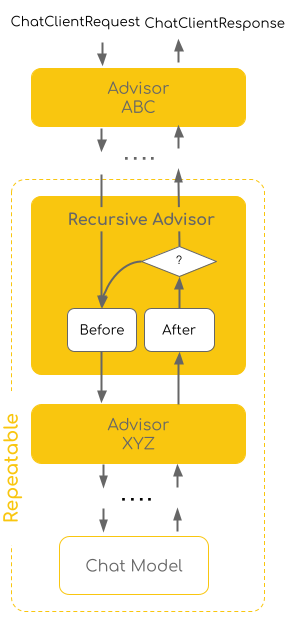
에이전트라는 단어는 요즘 너무 넓게 쓰인다.
그래서 오히려 실무에서는 질문을 더 좁혀야 한다.
- 정말 자율적인 에이전트가 필요한가
- 아니면 정해진 코드 경로를 따라가는 워크플로가 더 나은가
- 복잡성을 늘릴 만큼 품질 이득이 있는가
Spring AI의 Building Effective Agents 문서는 이 지점을 꽤 건강하게 정리한다.
핵심은 화려한 자율성보다, 문제에 맞는 에이전트성 패턴을 선택하는 것이다.
먼저 구분해야 할 것: 워크플로와 에이전트는 다르다
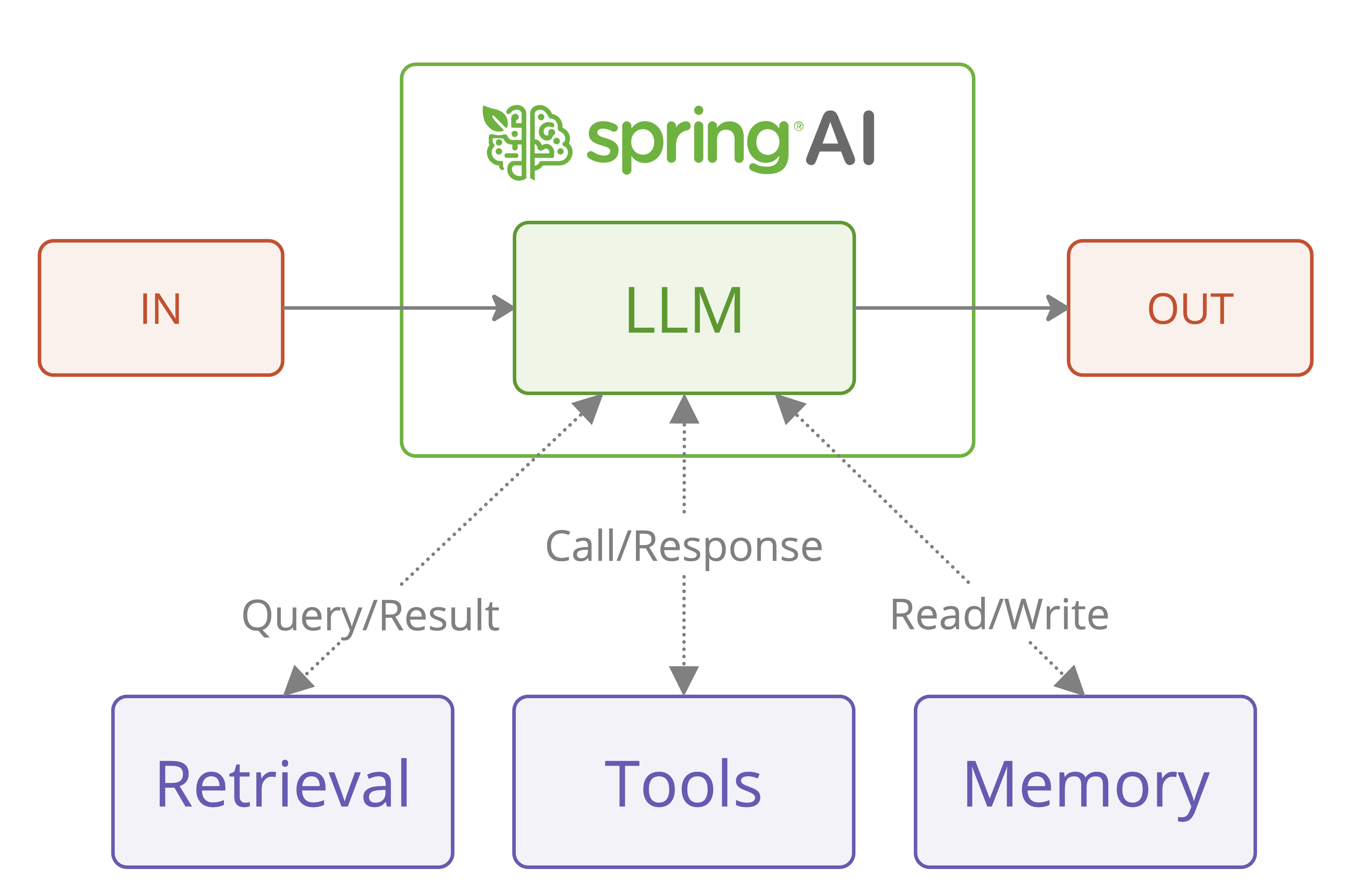
문서가 가장 먼저 짚는 구분은 이것이다.
- Workflows: LLM과 도구를 미리 정해진 코드 경로로 오케스트레이션하는 방식
- Agents: LLM이 도구 사용과 다음 단계를 더 동적으로 결정하는 방식
이 구분이 중요한 이유는 현실적인 시스템 설계와 직결되기 때문이다.
완전 자율형 에이전트는 멋져 보이지만,
- 예측 가능성이 떨어지고
- 디버깅이 어려워지고
- 비용과 지연이 커지고
- 운영 책임이 불분명해질 수 있다
반대로 워크플로는 조금 덜 화려하지만, 예측 가능성, 재현성, 유지보수성이 좋다.
Spring AI 문서가 워크플로 패턴들을 먼저 설명하는 이유도 여기 있다. 많은 엔터프라이즈 문제는 사실 완전 자율성보다 잘 설계된 워크플로가 더 잘 푼다.
1) Chain Workflow: 복잡한 작업을 단계별로 쪼개는 가장 단순한 패턴
체인 워크플로는 가장 이해하기 쉽고, 동시에 가장 자주 쓸 수 있는 패턴이다.
문서 예제처럼 각 단계가 하나의 책임만 가지도록 쪼개면, 이전 단계 출력이 다음 단계 입력이 된다.
이 방식이 좋은 경우는 명확하다.
- 순서가 분명한 작업
- 중간 산출물이 중요할 때
- 한 번에 묻는 것보다 단계별 품질이 나아질 때
예를 들어,
- 긴 문서를 요약 → 구조화 → 제목 생성
- 요구사항 정리 → 구현 포인트 추출 → 테스트 체크리스트 생성
- 초안 작성 → 톤 정리 → 최종 요약
같은 흐름이 여기에 잘 맞는다.
체인의 장점은 단순성이다. 느려질 수는 있어도, 왜 이런 결과가 나왔는지 추적하기가 쉽다.
2) Parallelization Workflow: 독립적인 작업은 동시에 처리한다
병렬화 워크플로는 “한 작업을 여러 관점 또는 여러 항목으로 동시에 나누는” 패턴이다.
문서 예제처럼 이해관계자별 영향 분석은 서로 간섭이 적다.
- 고객 영향
- 직원 영향
- 투자자 영향
- 공급망 영향
이런 식으로 쪼개면 동시에 처리한 뒤 결과를 합칠 수 있다.
병렬화가 특히 좋은 경우는,
- 서로 독립적인 여러 입력을 처리할 때
- 다양한 관점이 필요할 때
- 지연 시간을 줄여야 할 때
다만 병렬화는 아무 데나 쓰는 만능 패턴은 아니다. 하위 작업 사이 의존성이 강하면 오히려 품질이 떨어질 수 있다. 즉 전제는 독립성이다.
3) Routing Workflow: 입력에 따라 다른 전문가 경로로 보내기
라우팅 패턴은 실제 서비스에 꽤 자주 필요하다.
모든 요청을 하나의 만능 프롬프트로 처리하려고 하면 금방 한계가 온다. 반면 먼저 입력 유형을 구분해서,
- 청구 문제는 billing specialist
- 기술 문제는 technical support
- 일반 문의는 customer service
같은 식으로 보내면 응답 품질이 훨씬 안정적일 수 있다.
이 패턴이 좋은 이유는 단순한 멀티 프롬프트가 아니라, 전문화된 처리 경로를 허용한다는 데 있다.
실무적으로는 아래 상황에서 특히 잘 맞는다.
- 문의 유형 분류
- 콘텐츠 장르별 처리
- 도메인별 정책 적용
- 서로 다른 toolset 연결
다만 라우팅 품질은 첫 분류 단계가 좌우한다. 즉 분류가 흔들리면 뒤 단계 전체가 흔들린다.
4) Orchestrator-Workers: 하위 작업을 미리 예측하기 어려울 때
이 패턴부터는 에이전트성 느낌이 조금 강해진다.
오케스트레이터가 먼저 작업을 분석하고 하위 작업을 정한 뒤, 워커들이 병렬로 처리하고 결과를 다시 합친다.
문서 예시처럼 “기술 문서와 사용자 친화 문서를 동시에 생성하라” 같은 요청은 처음부터 세부 하위 작업이 정해져 있지 않을 수 있다. 이럴 때 오케스트레이터가 분해 전략을 세우는 게 유효하다.
이 패턴이 적합한 경우는,
- 큰 작업 안의 하위 태스크가 고정돼 있지 않을 때
- 서로 다른 전문 관점이 동시에 필요할 때
- 적응적 문제 분해가 필요할 때
다만 여기서부터는 복잡도가 눈에 띄게 오른다.
- 오케스트레이터 프롬프트 설계
- 워커 역할 정의
- 결과 병합 방식
- 중복/충돌 해소
를 함께 다뤄야 하기 때문이다.
즉 이 패턴은 강력하지만, 단순한 태스크에 과하게 쓰면 오히려 손해다.
5) Evaluator-Optimizer: 한 번 생성하고 끝내지 않는 루프
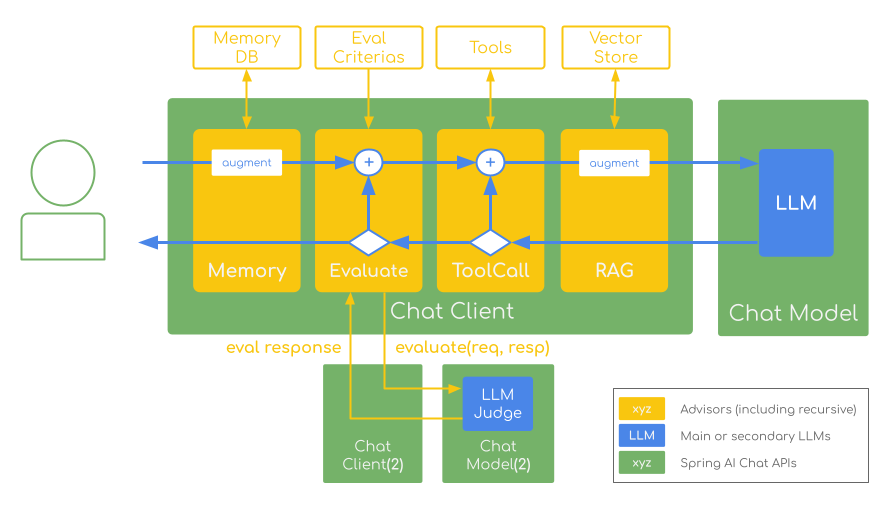
문서의 다섯 번째 패턴은 개인적으로 가장 실무적이다.
생성 → 평가 → 수정의 루프를 돌리는 방식인데, 이건 코드 생성, 문서 정제, 정책 검토, 품질 보정처럼 명확한 평가 기준이 있는 작업에 특히 잘 맞는다.
예를 들어,
- 스레드 안전한 Java 클래스 작성
- 초안 문서의 누락 항목 보강
- 근거 부족 답변 재작성
- 포맷 불일치 수정
같은 문제에 유용하다.
이 패턴의 핵심은 “평가 기준이 분명해야 한다”는 점이다. 평가 기준이 모호하면 루프만 돌고 품질 향상은 불분명해질 수 있다.
즉 Evaluator-Optimizer는 에이전트 흉내보다, 반복 개선이 실제 가치를 주는 작업에만 선택적으로 써야 하는 패턴이다.
결국 핵심은 더 자율적인가보다 더 적합한가다
문서를 읽고 나면 중요한 메시지는 하나로 정리된다.
더 자율적인 구조가 항상 더 좋은 구조는 아니다.
오히려 실무에서는 아래처럼 생각하는 편이 낫다.
- 순서가 분명하면
Chain - 서로 독립적이면
Parallelization - 유형이 다르면
Routing - 하위 작업이 미정이면
Orchestrator-Workers - 반복 개선 가치가 크면
Evaluator-Optimizer
즉 패턴 선택은 유행보다 문제 구조를 따라가야 한다.
Spring AI 관점에서 왜 이 문서가 중요한가
이 문서가 의미 있는 이유는 에이전트를 철학적으로 말하지 않고, Spring AI 애플리케이션 안에서 구현 가능한 워크플로 패턴으로 보여 준다는 데 있다.
결국 앞서 봤던 기능들과도 자연스럽게 이어진다.
ChatClient는 호출의 기본 단위가 되고Tool Calling은 외부 기능 사용을 가능하게 하며Advisors는 전후처리와 평가를 붙이는 데 도움을 주고Observability와Evaluation은 이런 패턴이 실제로 효과 있는지 검증하게 해 준다
즉 Effective Agents는 새로운 별도 기능이 아니라, Spring AI의 여러 기능을 어떤 아키텍처 패턴으로 조립할지 알려 주는 문서다.
처음 적용할 때 추천하는 현실적인 순서
개인적으로는 아래 순서가 가장 안전하다.
1단계
먼저 Chain이나 Routing처럼 설명 가능한 워크플로부터 붙인다.
2단계
하위 작업 독립성이 분명할 때만 Parallelization을 붙인다.
3단계
정적 경로로 부족할 때 Orchestrator-Workers를 검토한다.
4단계
평가 기준이 분명할 때만 Evaluator-Optimizer 루프를 넣는다.
즉 처음부터 “완전 자율 에이전트”로 점프하기보다, 예측 가능한 워크플로에서 점진적으로 에이전트성을 늘리는 방식이 훨씬 현실적이다.
마무리
Spring AI의 Building Effective Agents 문서는 에이전트를 환상적으로 묘사하지 않는다. 오히려 그 점이 좋다.
문서는 분명하게 말한다.
- 모든 문제에 완전 자율형 에이전트가 필요한 건 아니고
- 많은 문제는 잘 설계된 워크플로가 더 잘 풀며
- 패턴 선택은 문제 구조와 운영 요구를 따라야 한다
이 관점을 잡고 나면 에이전트 설계도 훨씬 덜 과장되고, 더 구현 가능해진다.
결국 중요한 건 “에이전트처럼 보이는가”가 아니라, 예측 가능하고 유지보수 가능하면서도 품질 이득을 주는가다.